

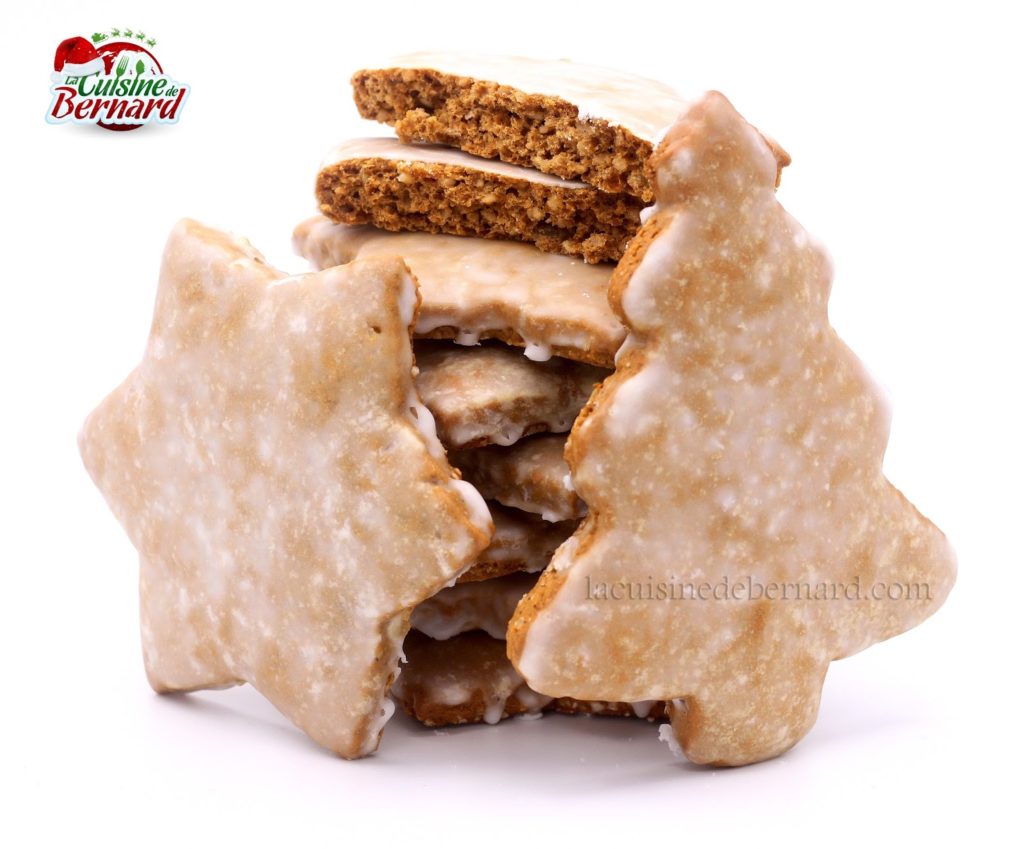
- 400g of honey
- 200g of brown sugar
- 1 good pinch of salt
- 650g of flour
- 300g chopped almonds
- 2 tablespoons cinnamon powder
- 1 teaspoon ginger powder
- 1/2 teaspoon of 4 spices
- 10g of potash diluted in 15ml of water
- 140g candied orange peel
- 140g candied lemon peel
- the zest of half an organic lemon
- 30ml of water
- 300g of powdered sugar
- 75g of water
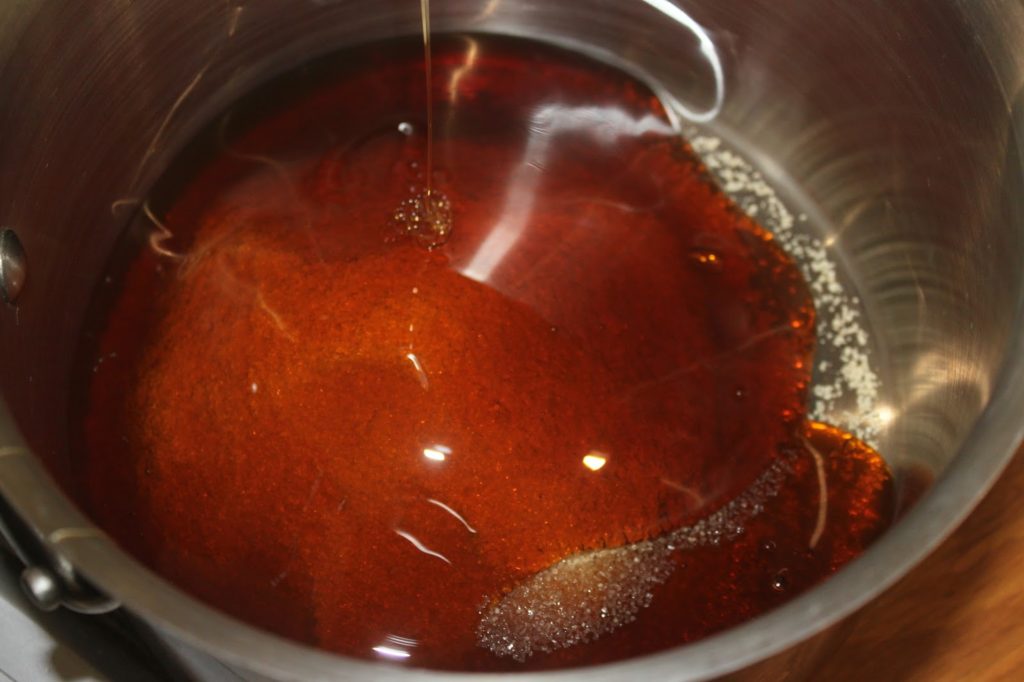
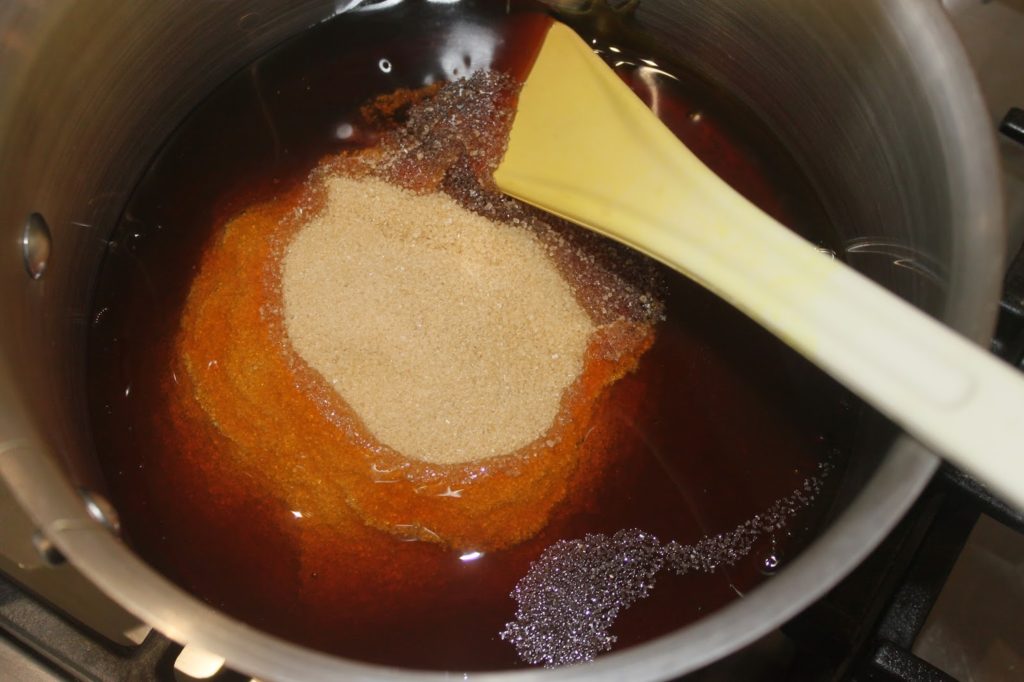
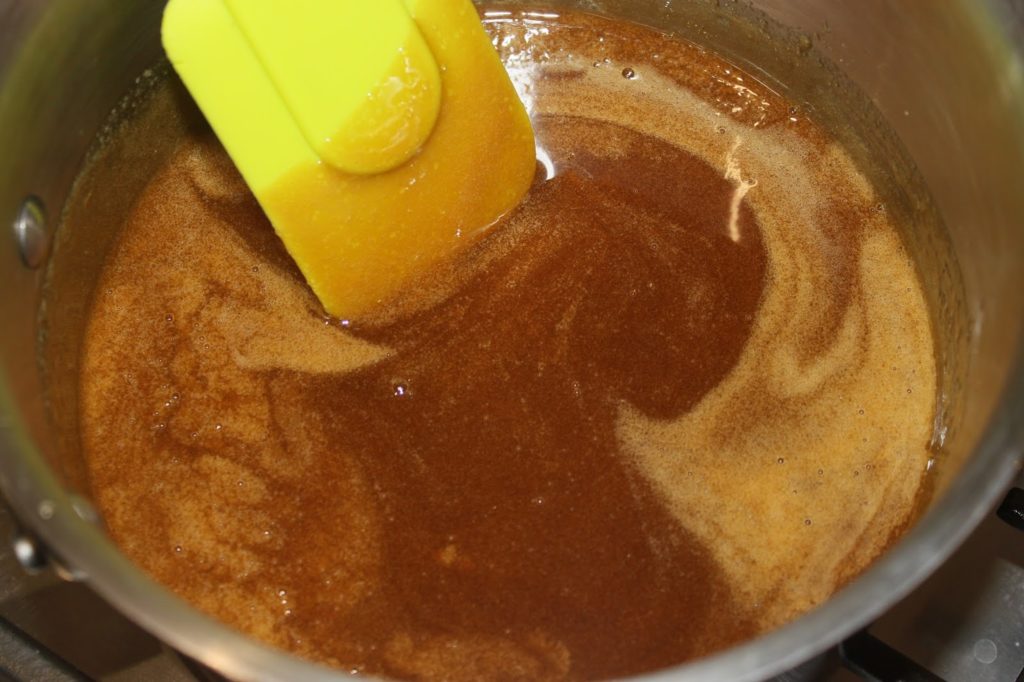
Mix while bringing to a simmer. When the first bubbles appear, set aside.
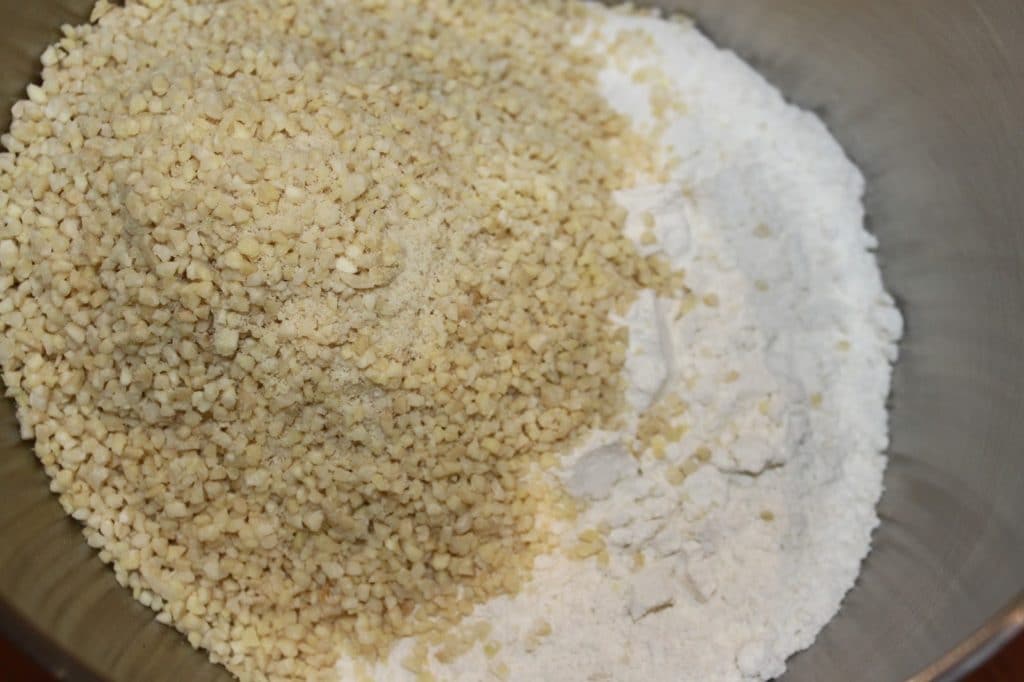
Pour the flour and chopped almonds into a bowl or the bowl of your food processor.
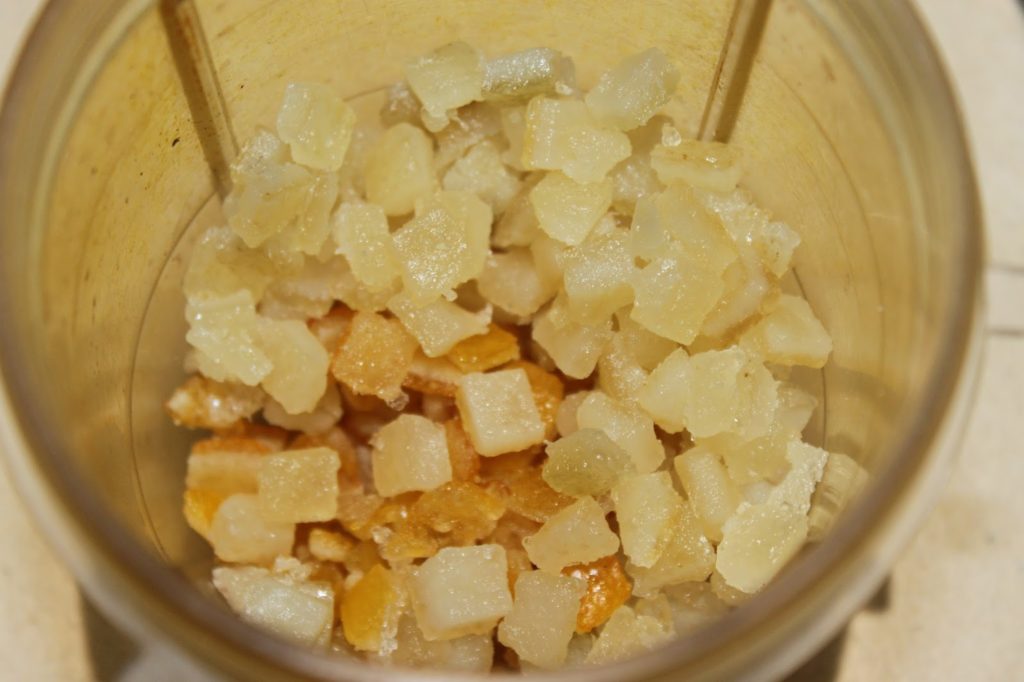
Chop the candied orange and lemon peels into smaller pieces. You can find them on the internet or even in the pastry section of the supermarket (even Vahiné in fact).
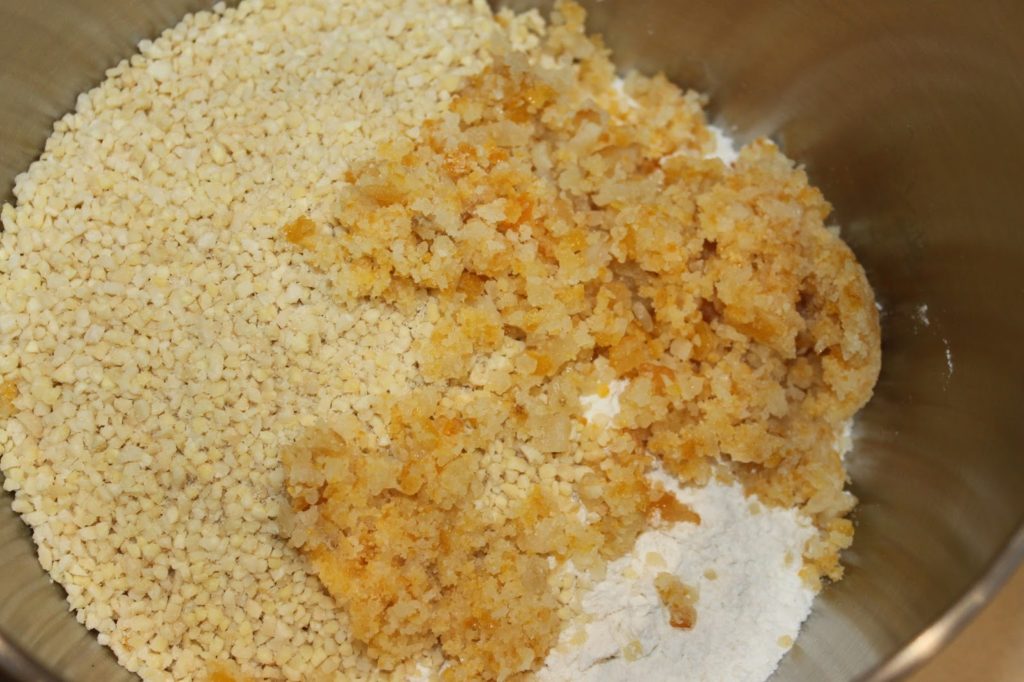
Pour over almonds.
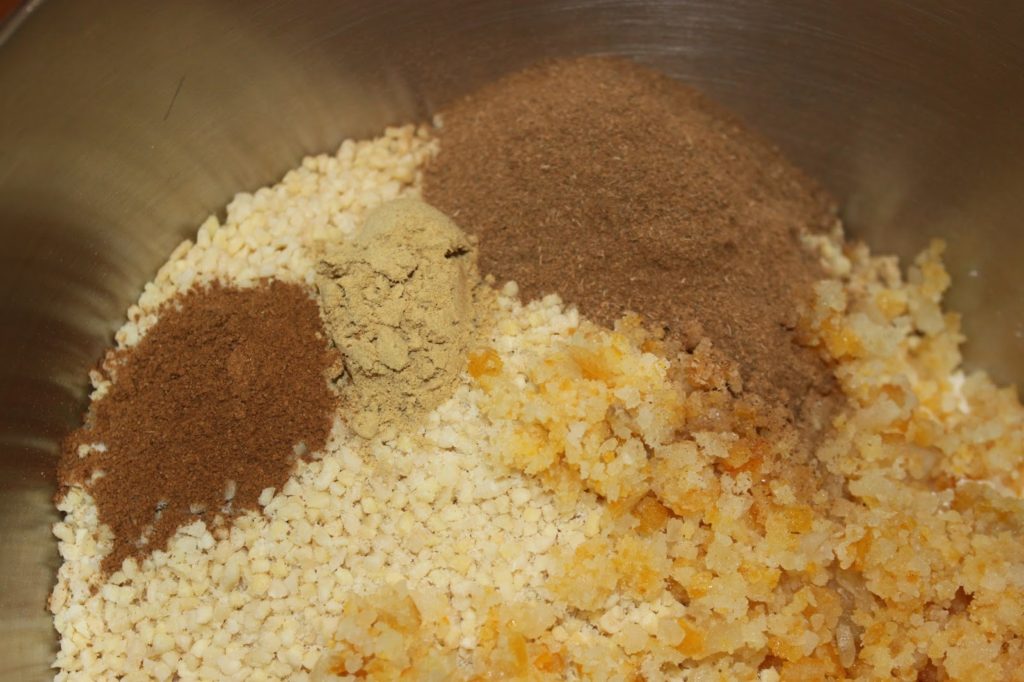
Add the spices: cinnamon, ginger, 4 spices.
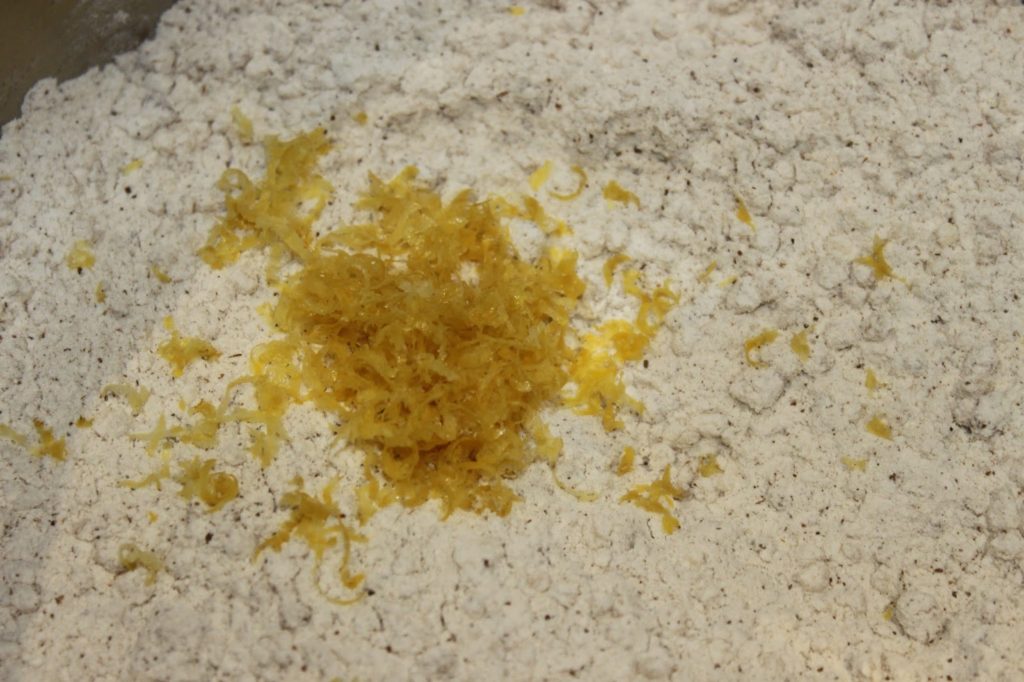
Pour the zest of half an organic lemon into the flour.
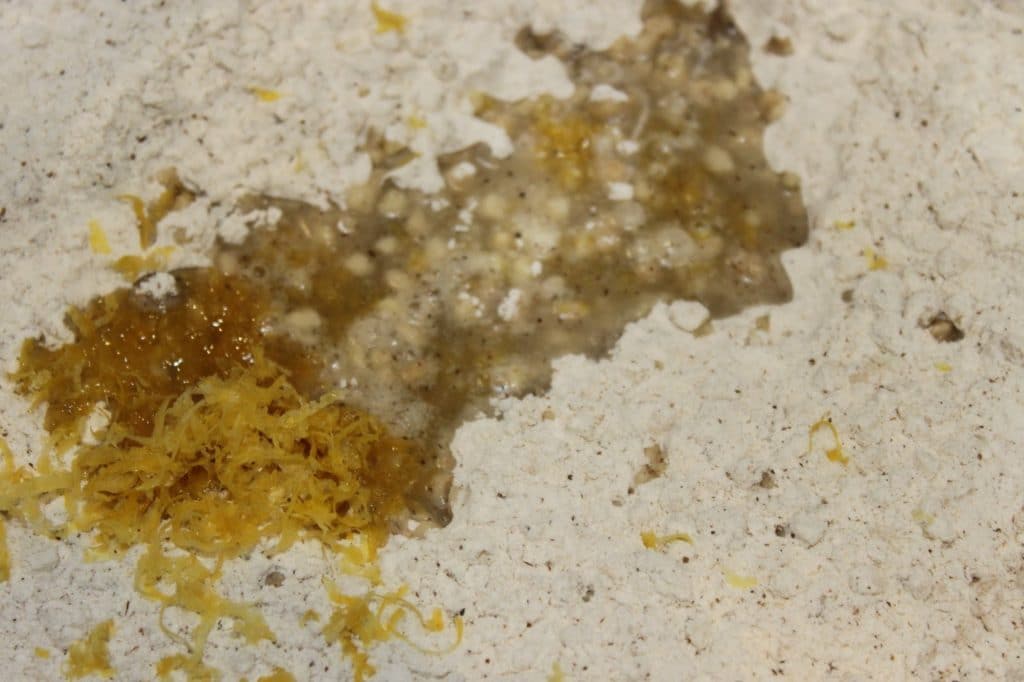
And diluted potash.
Mix well and then pour the contents of the pan.
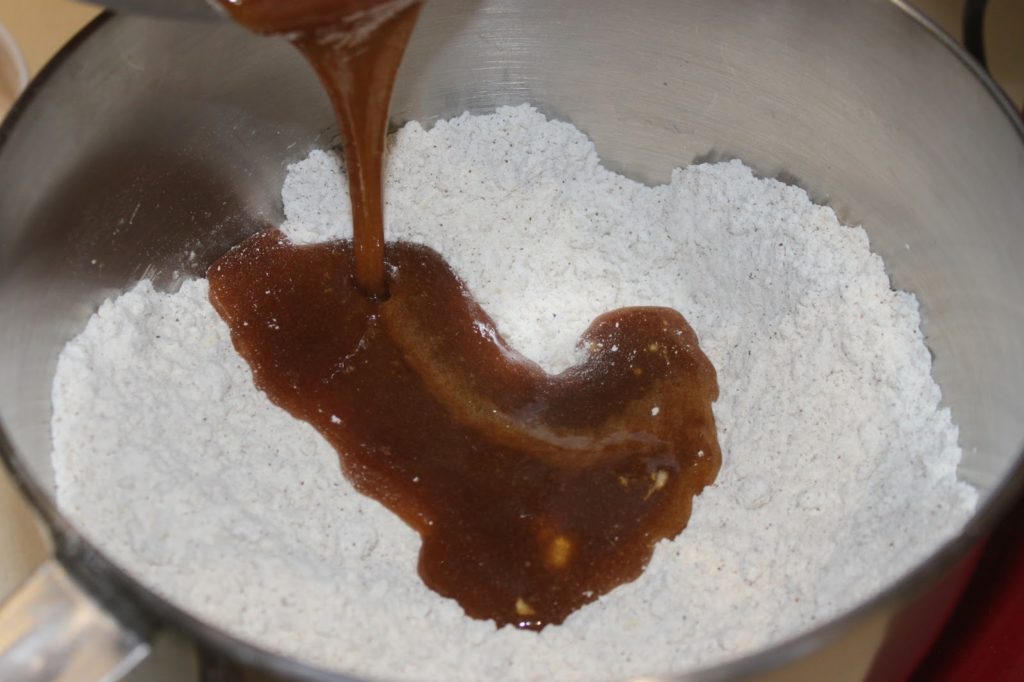
Mix carefully.
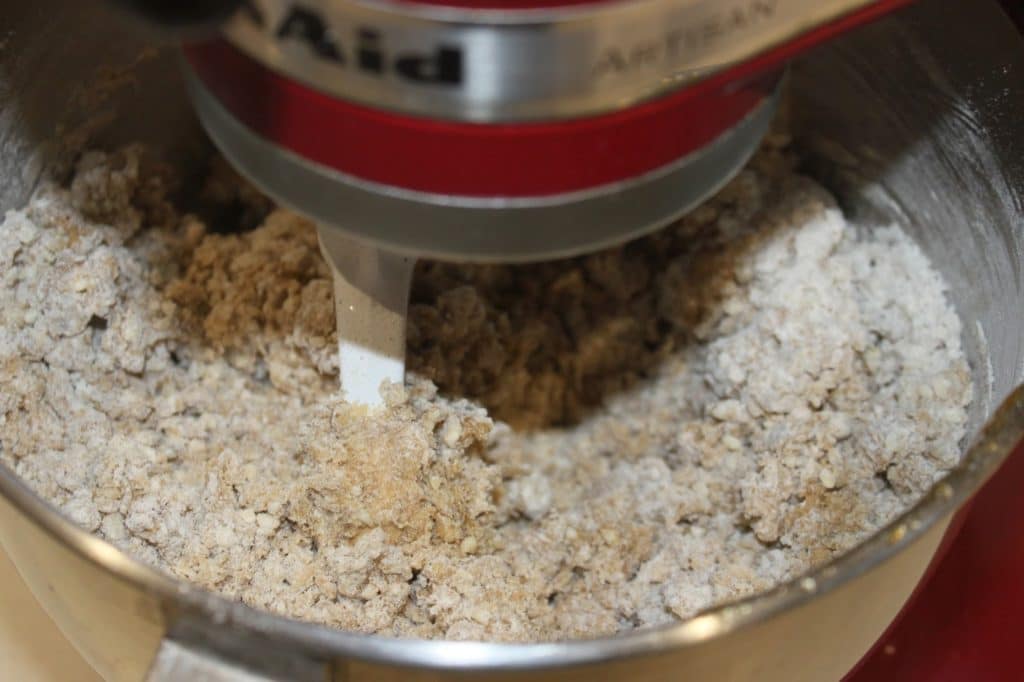
Add the 30ml of water.
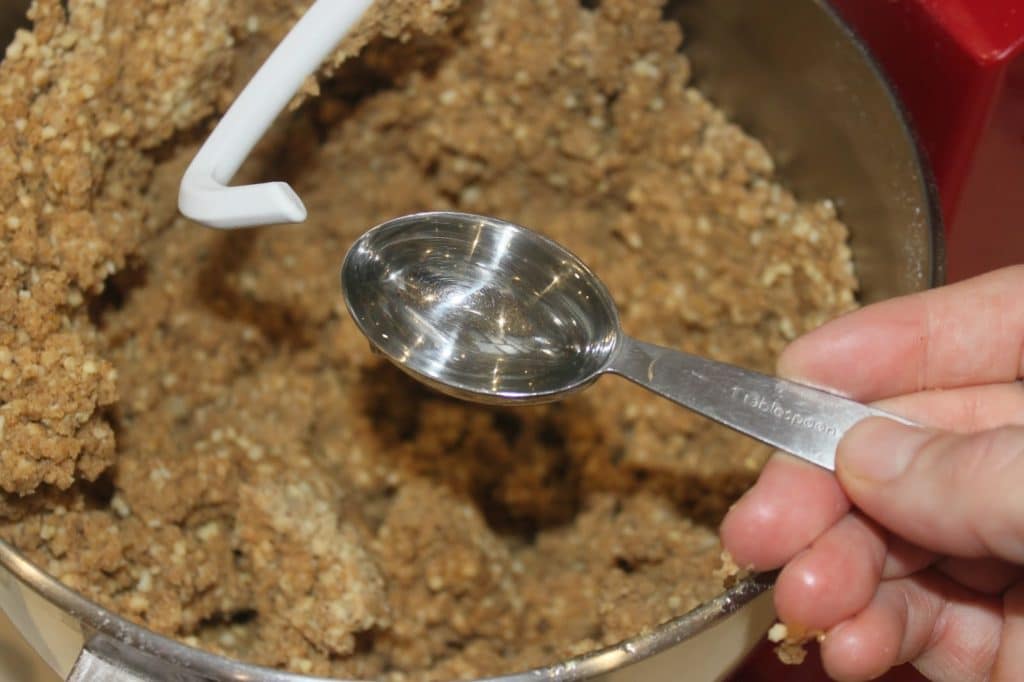
Knead until you have a dense and homogeneous dough.
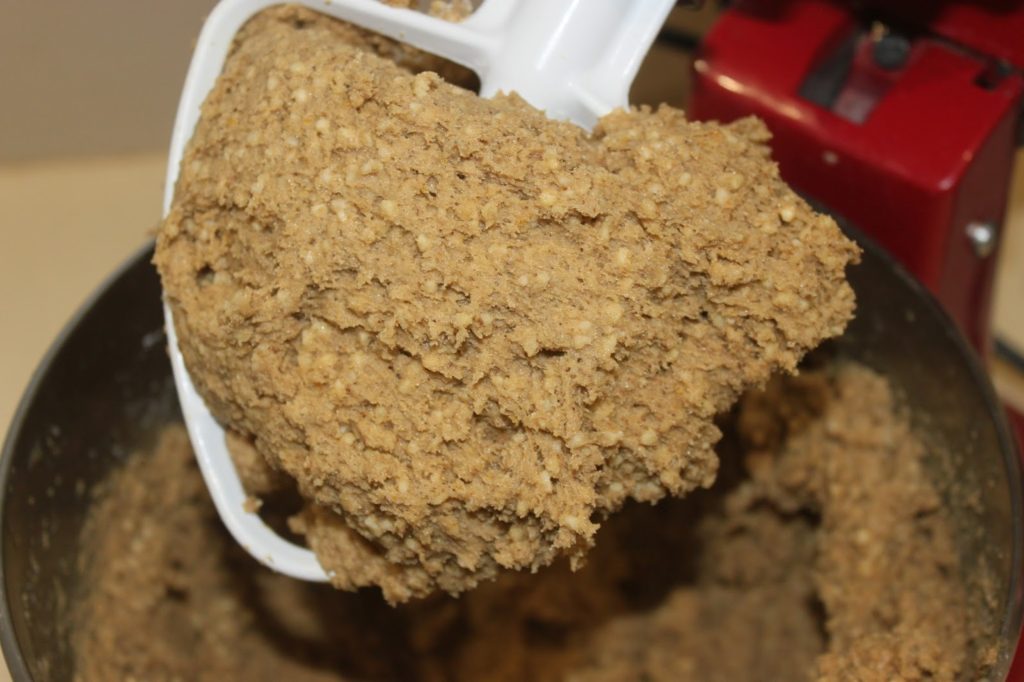
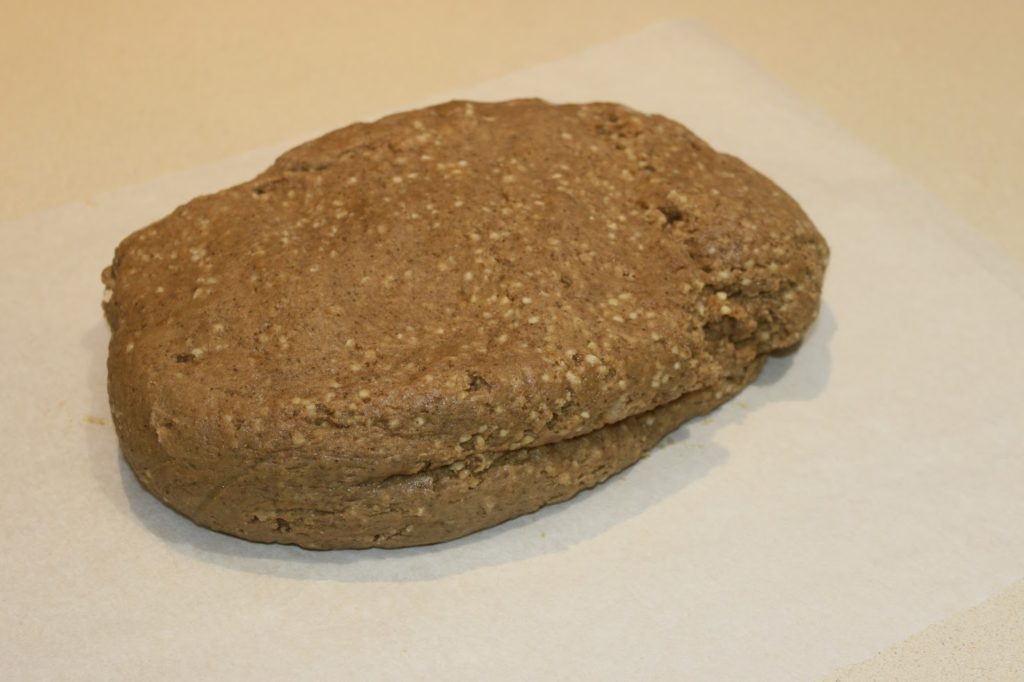
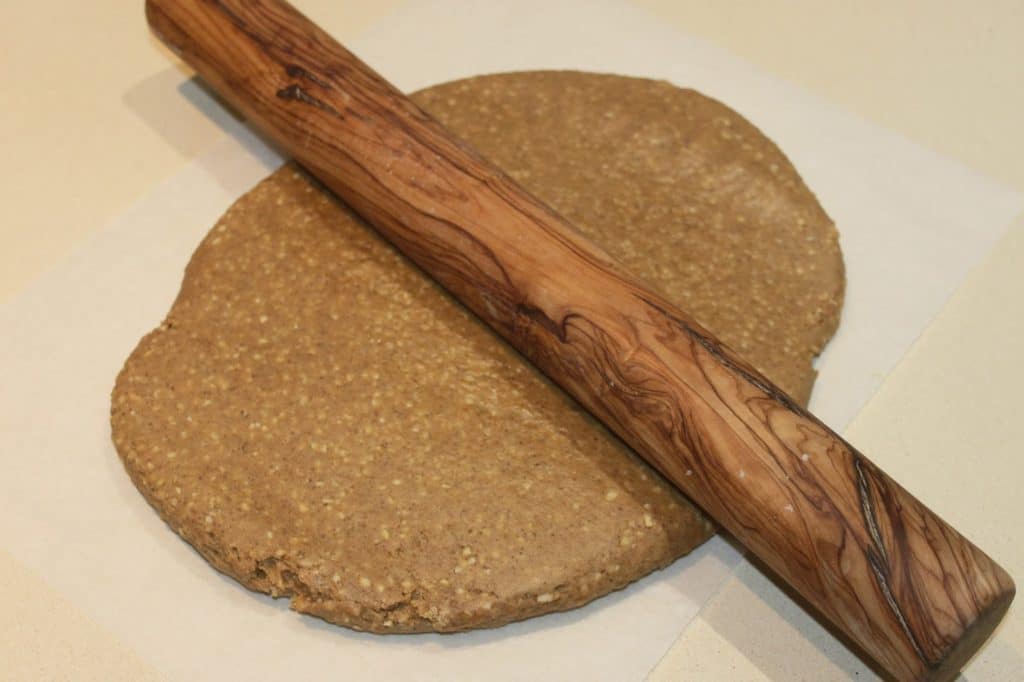
The dough should be at least 8mm thick.
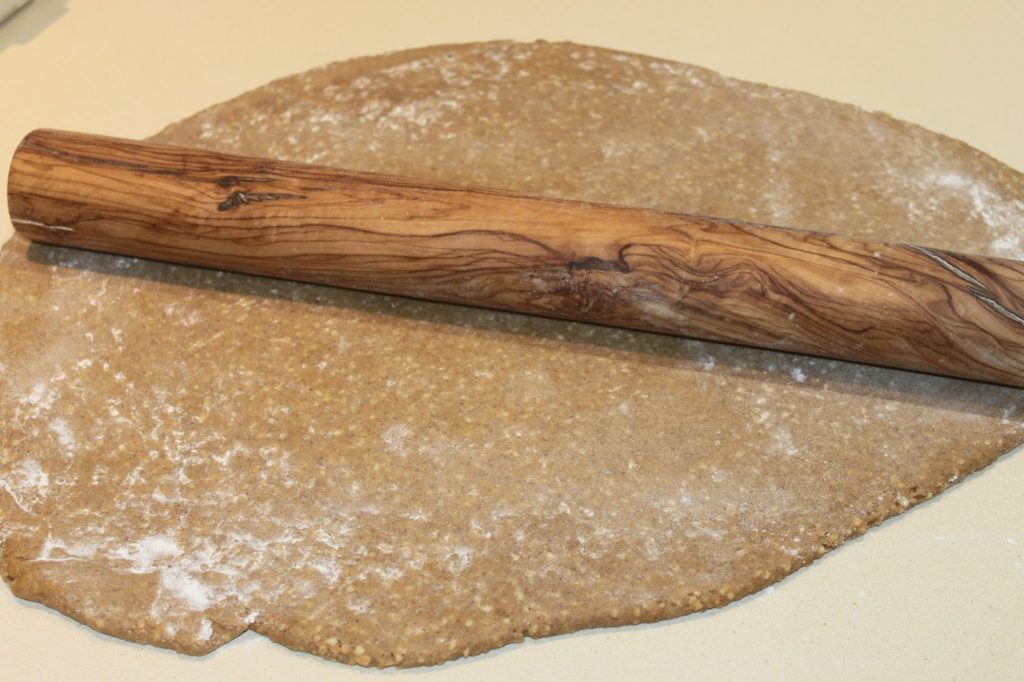
Cut the gingerbread with a cookie cutter.
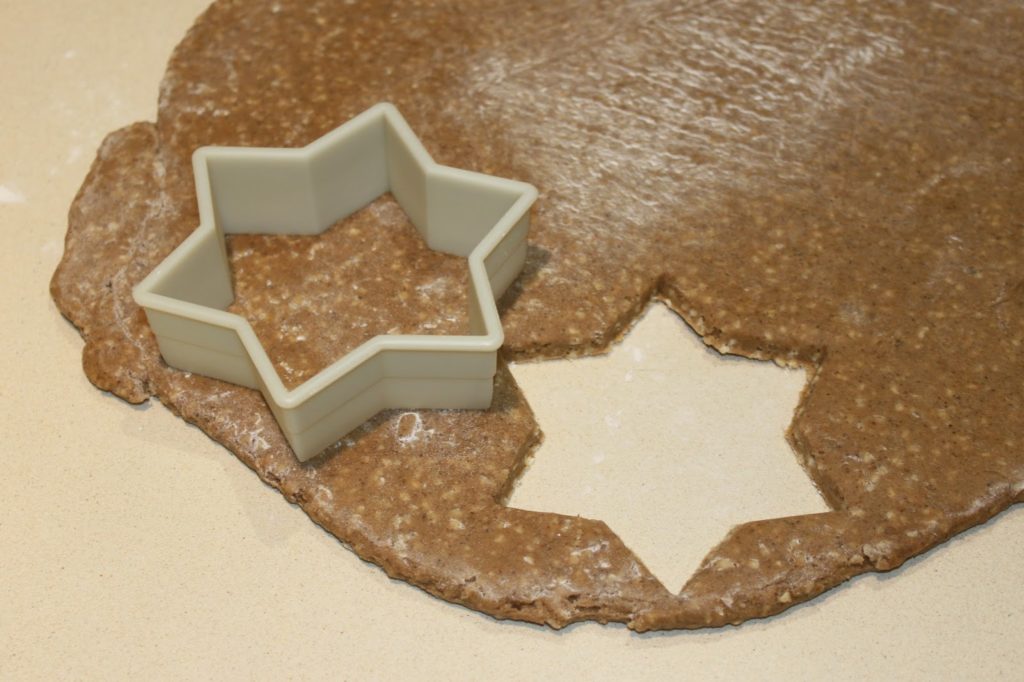
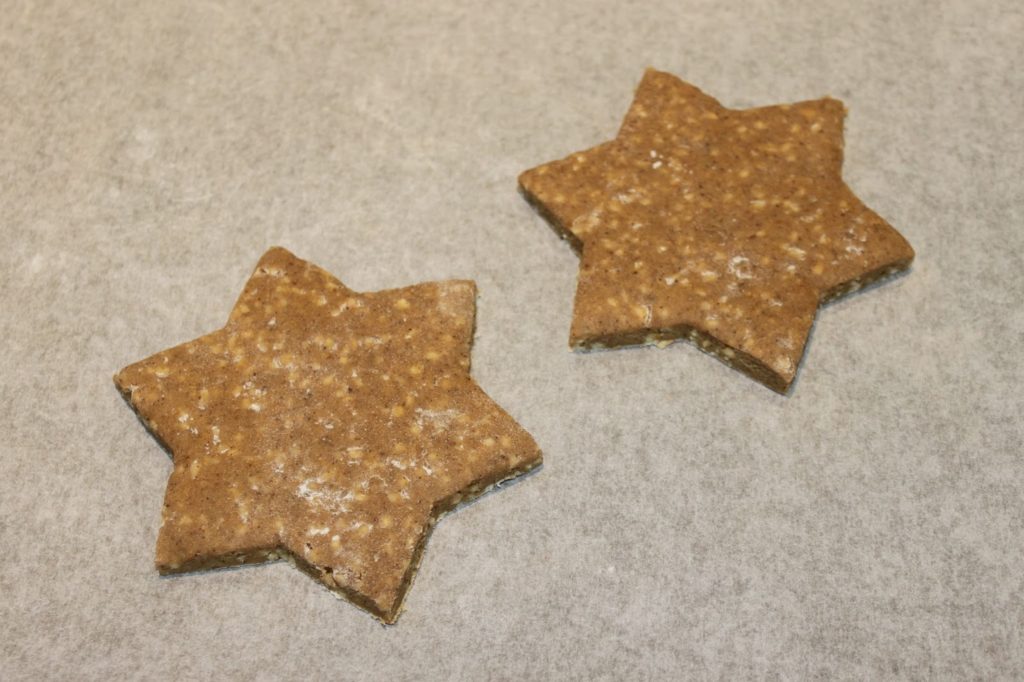
All forms are possible.
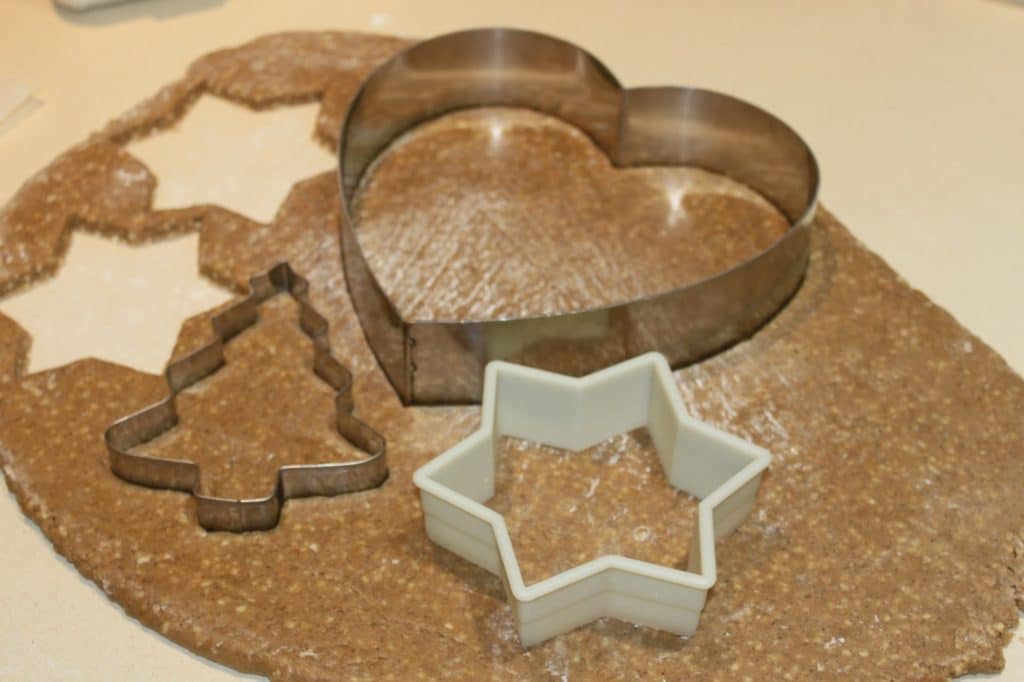
Place on a baking sheet lined with parchment paper.
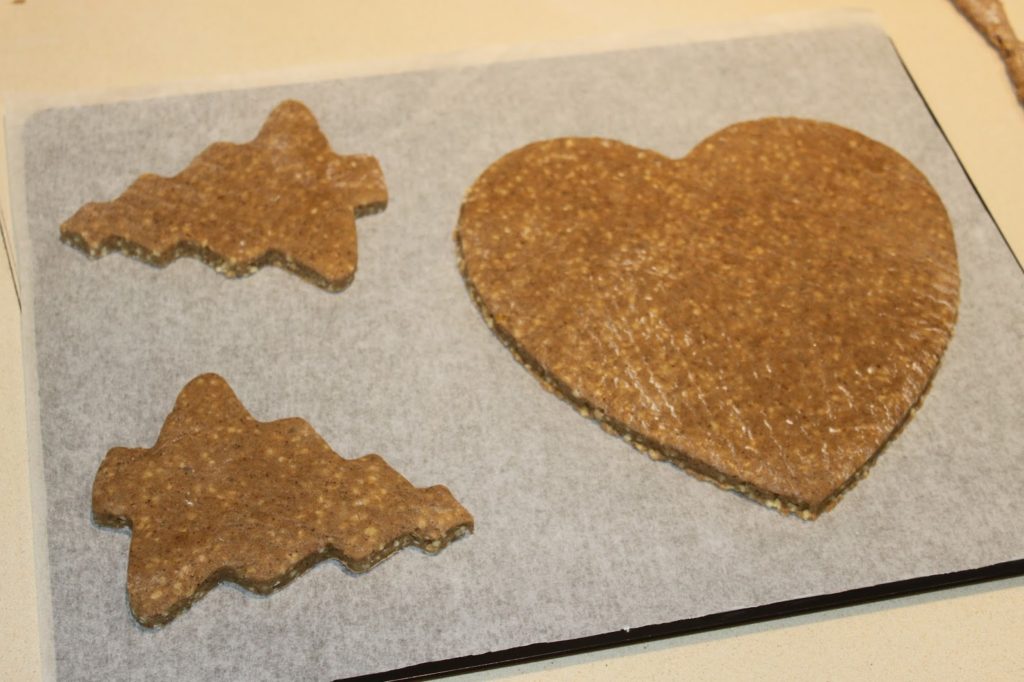
Let gingerbread cool before icing.
For the icing, mix the water and powdered sugar.
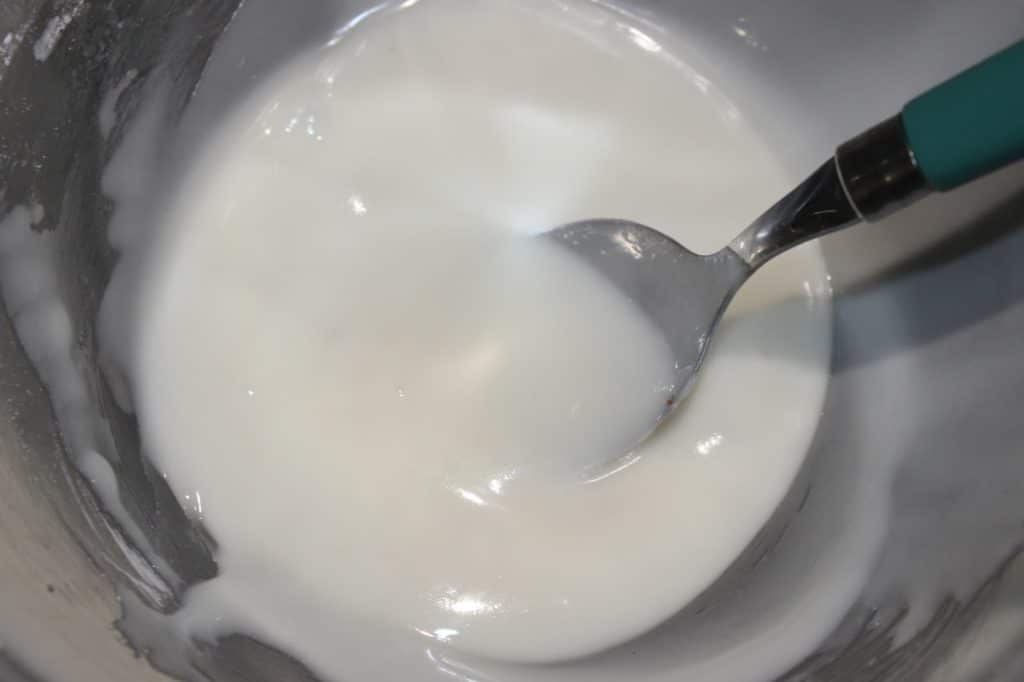
For larger sizes, pour and spread with your hands or a spoon.
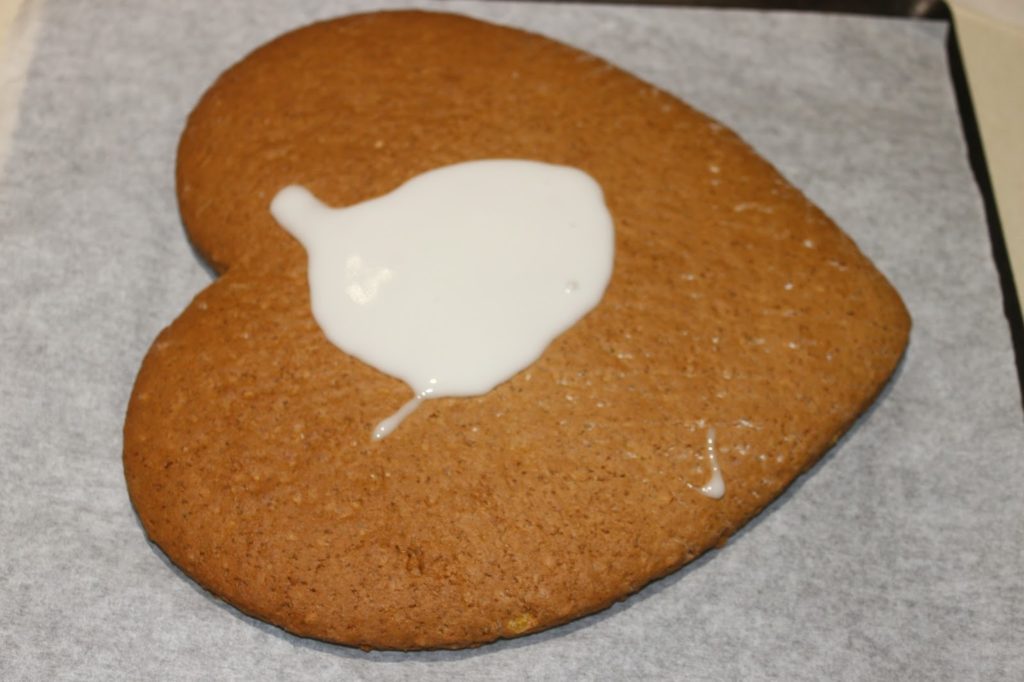
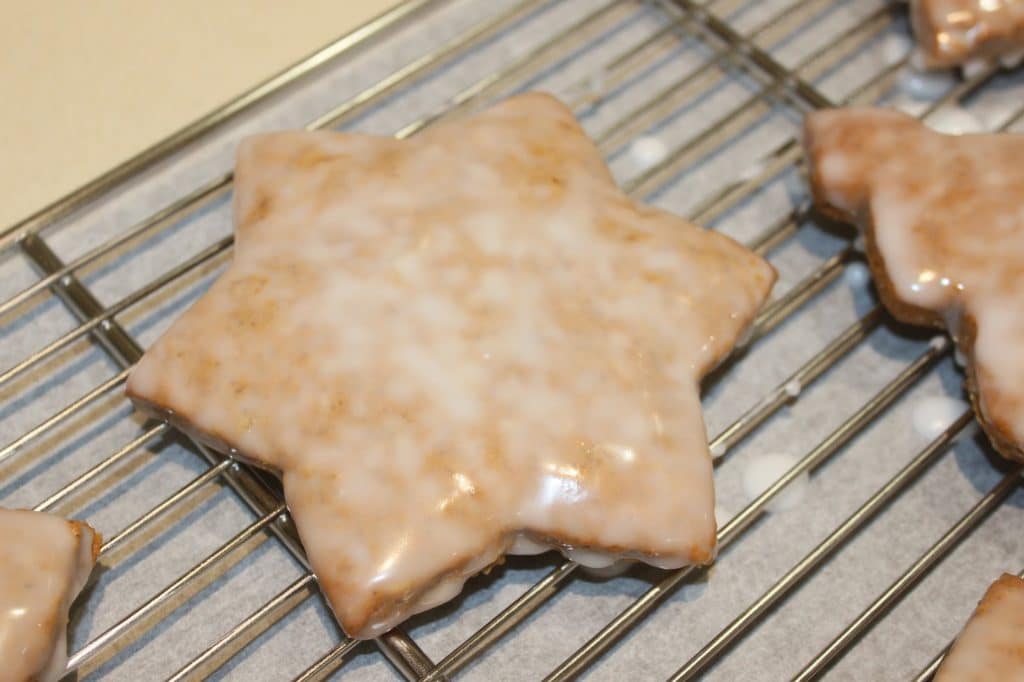
Otherwise I prefer this method: dip the upside down cookie.
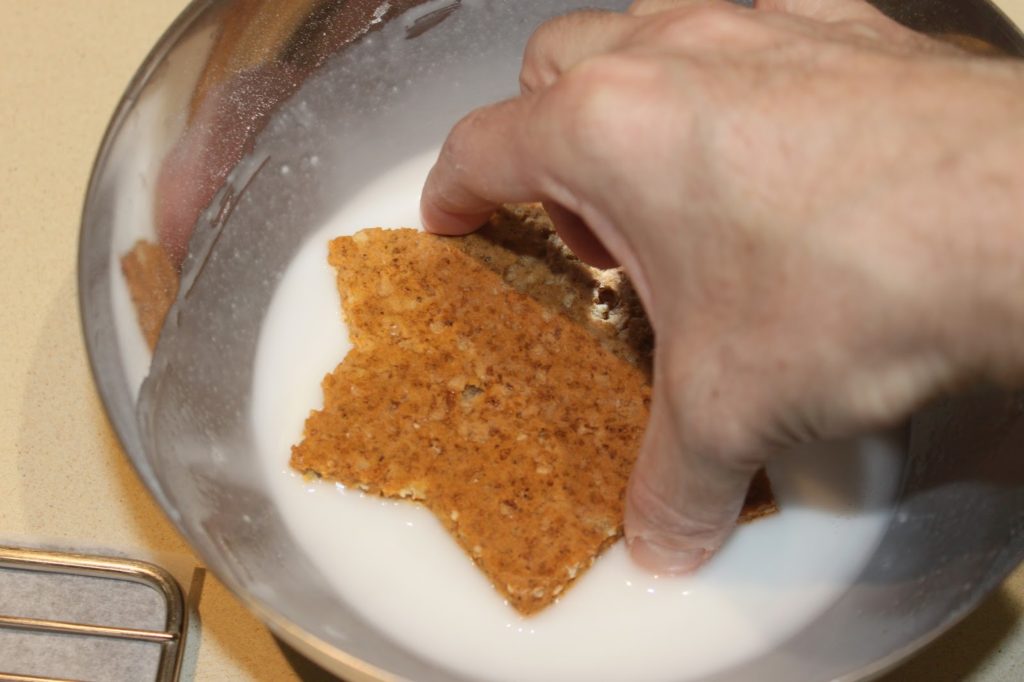
Then remove the excess.
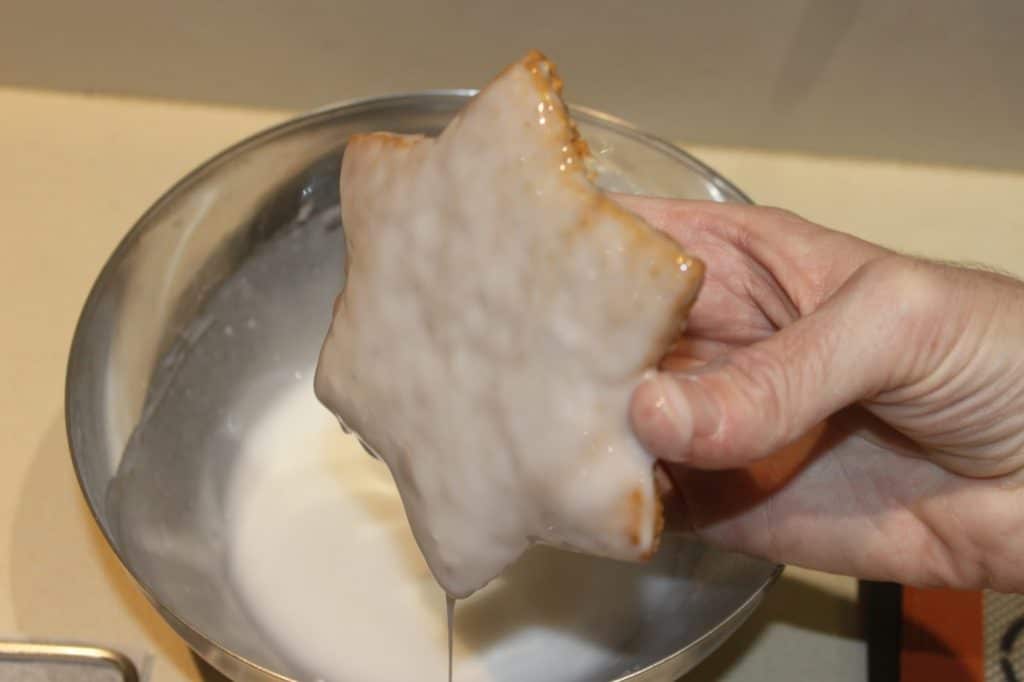
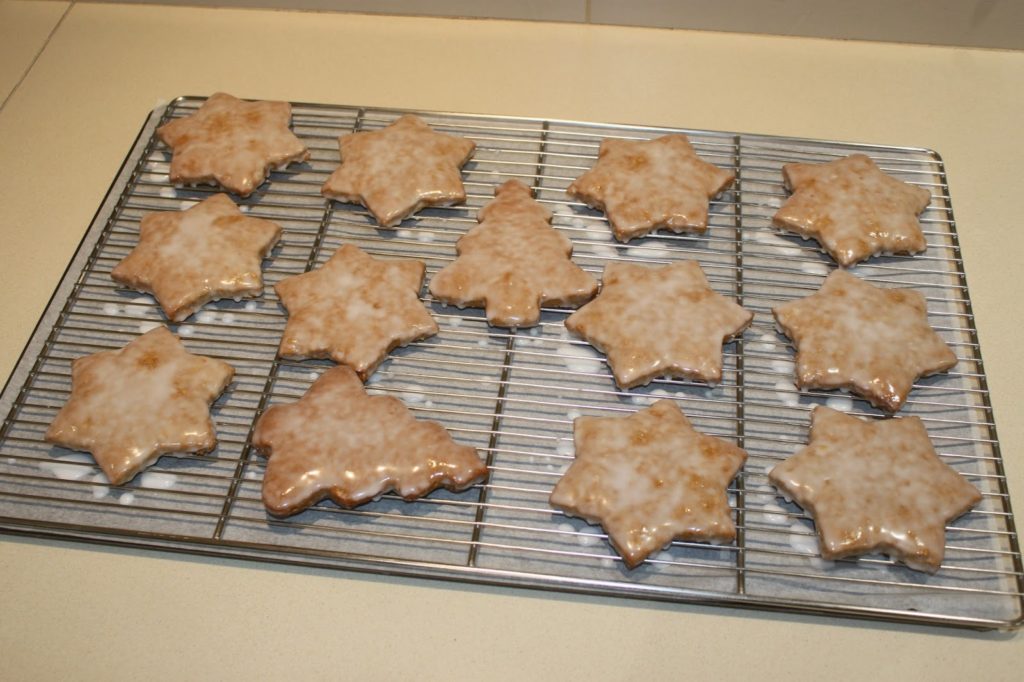
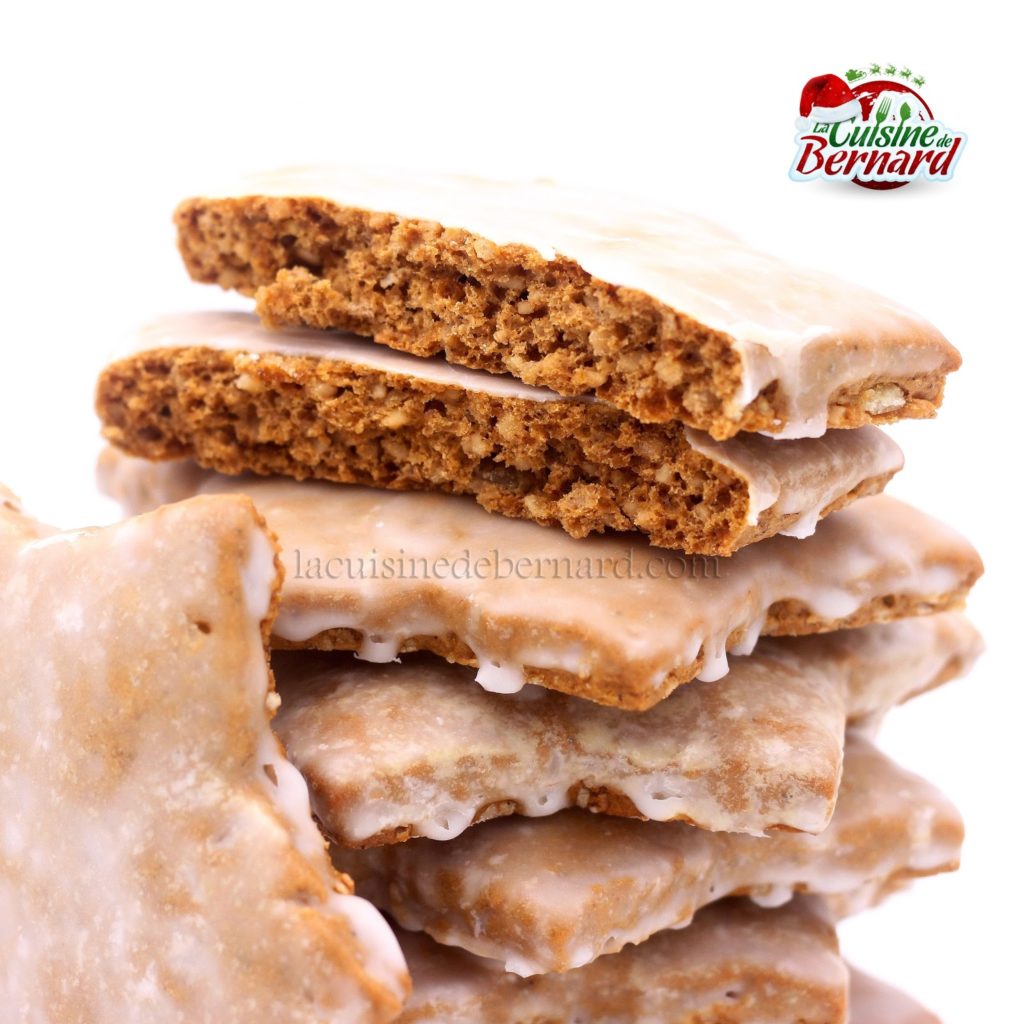
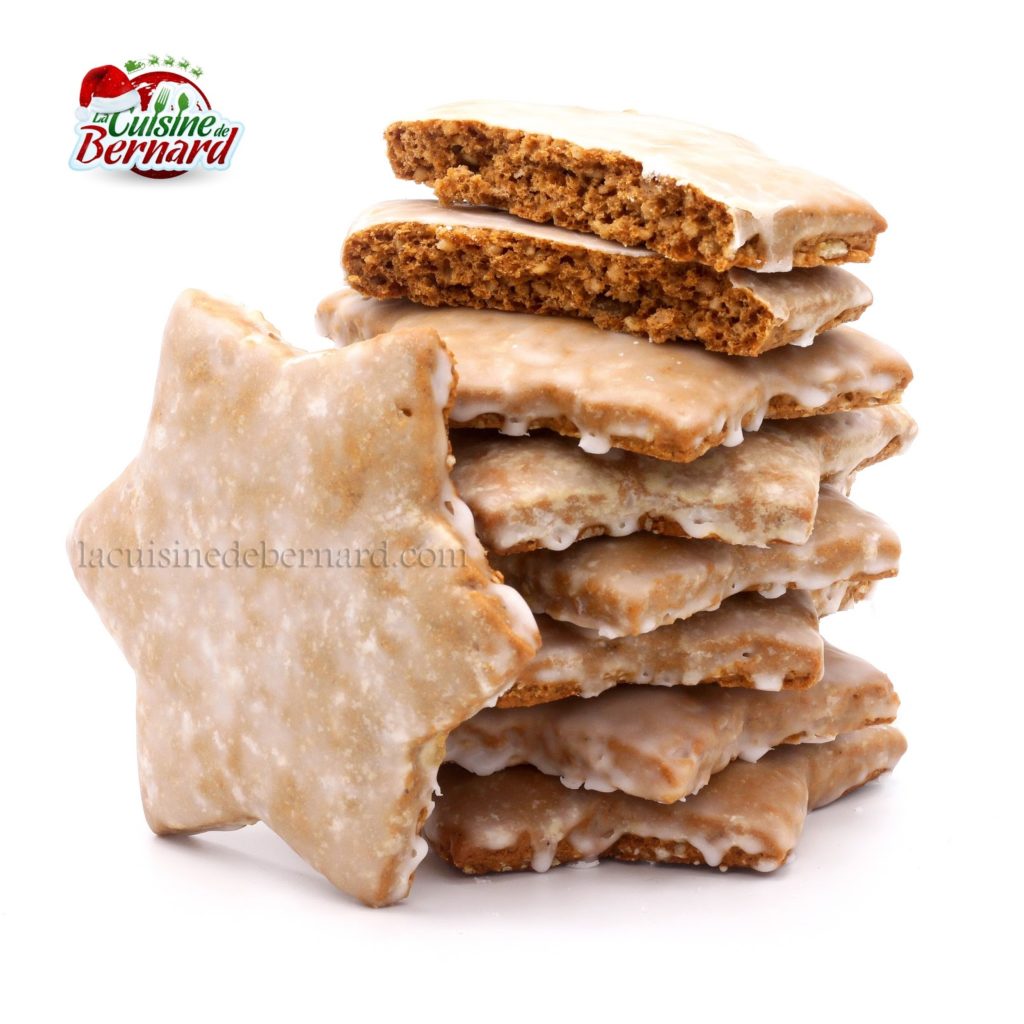
The glaze should be soft and dry to the touch.

Gingerbread to spread
Ingrédients
- 400 g honey
- 200 g brown sugar
- 1 good pinch salt
- 650 g flour
- 300 g chopped almonds
- 2 tablespoons cinnamon powder
- 1 teaspoon ginger powder
- 1/2 teaspoon 4 spices mix
- 10 g potash diluted in 15ml of water
- 140 g candied orange peel
- 140 g candied lemon peel
- the zest of half an organic lemon
- 30 ml water
Icing
- 300 g powdered sugar
- 75 ml water
Instructions
- Pour the honey, sugar and salt into a saucepan over low heat.
- Mix while bringing to a simmer. When the first bubbles appear, set aside.
- Pour the flour and chopped almonds into a bowl or the bowl of your food processor.
- Chop the candied orange and lemon peels into smaller pieces. You can find them on the internet or even in the pastry section of the supermarket (even Vahiné in fact).
- Pour over almonds.
- Add the spices: cinnamon, ginger, 4 spices.
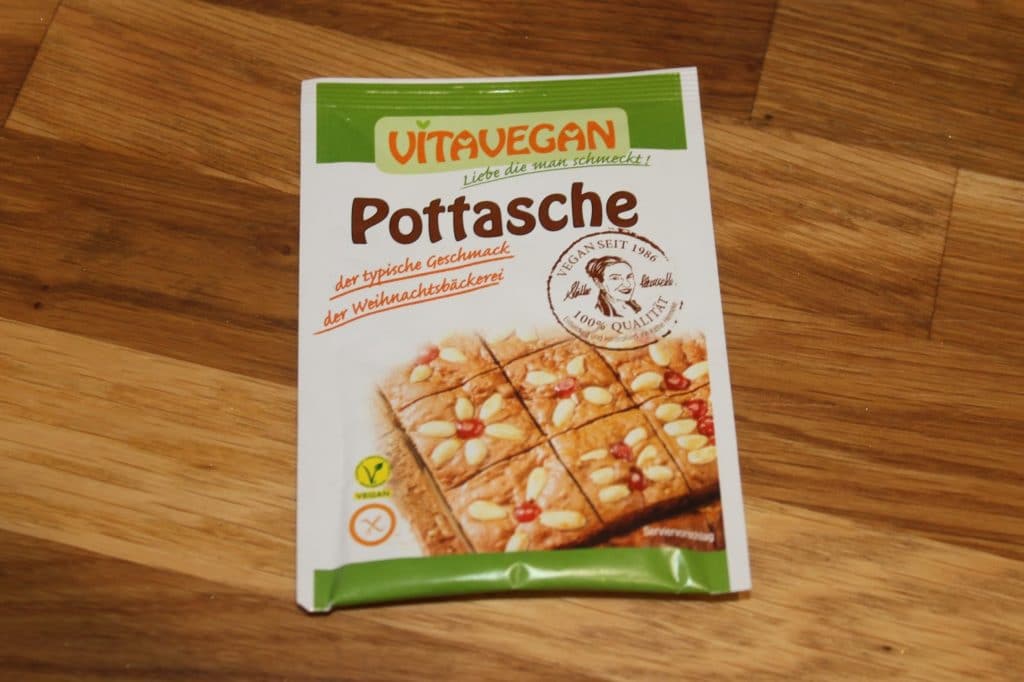
- Here is the ingredient of the day : potash ! It is really the leavening agent used in gingerbread from the East and Germany. I bought it on a vegan website. I put the link HERE!
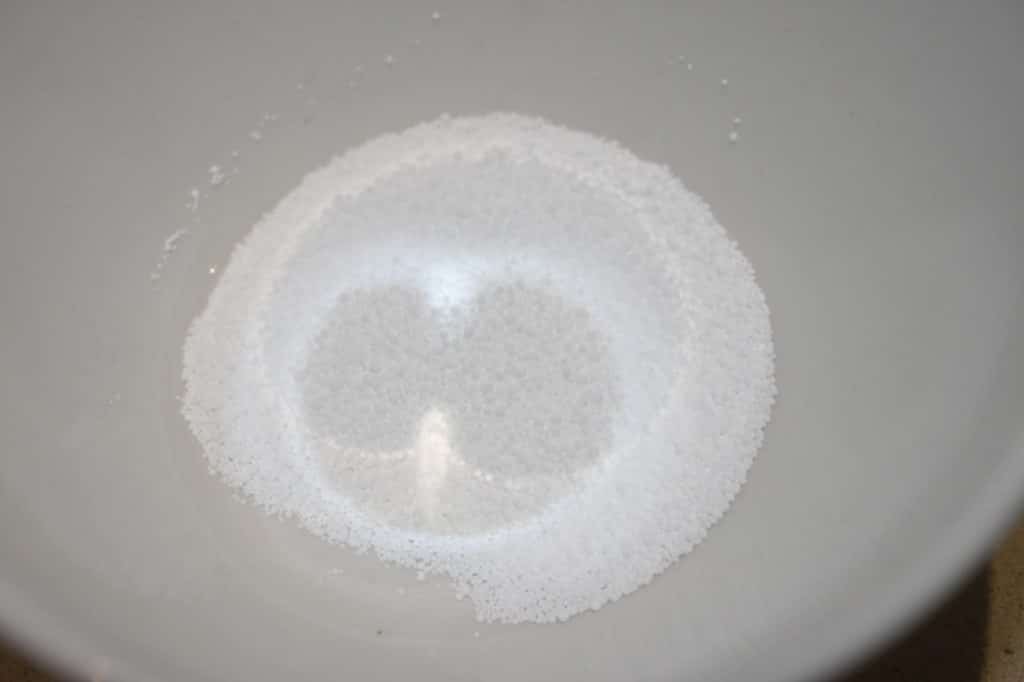
- Pour 10g into a small container and add the 15ml of water. Mix until completely dissolved.
- Pour the zest of half an organic lemon into the flour.
- And diluted potash.
- Mix well and then pour the contents of the pan.
- Mix carefully.
- Add the 30ml of water.
- Knead until you have a dense and homogeneous dough.
- At this stage, the dough does not smell good, this is due to the potash. But as it cooks, it disappears completely. The advantage of potash is that it makes the dough rise in a very different way than baking powder or sodium bicarbonate. The dough tends to grow on the sides and not upwards. You can still replace the potash with more traditional baking soda. but the growth is not quite the same.
- In many recipes, you are told to let the dough rest for 24 hours under cling film. I have obviously made several attempts, and it does not change anything. Roll out the dough on a paper or floured surface (which I ended up preferring!).
- The dough should be at least 8mm thick.
- Cut the gingerbread with a cookie cutter.
- All forms are possible.
- Place on a baking sheet lined with parchment paper.
- Bake at 160°C (still on fan heat with me!) for 20-22 minutes, watching. The gingerbread will puff up nicely, but not high. They should still be tender in the center, but cooked through and pushed. If you overcook them, the risk is that they will be hard. But usually, 3 days later, they get a little tender.
- Let gingerbread cool before icing.For the icing, mix the water and powdered sugar.
- For larger sizes, pour and spread with your hands or a spoon.
- Otherwise I prefer this method: dip the upside down cookie.
- Then remove the excess.
- Let drain on a rack. The glaze will air dry. You can also return to the oven at 90°C for 7 minutes.
- The glaze should be soft and dry to the touch.
- Now be patient: the gingerbread will be a thousand times better 3 days later! The fragrances are developing.







Comments